

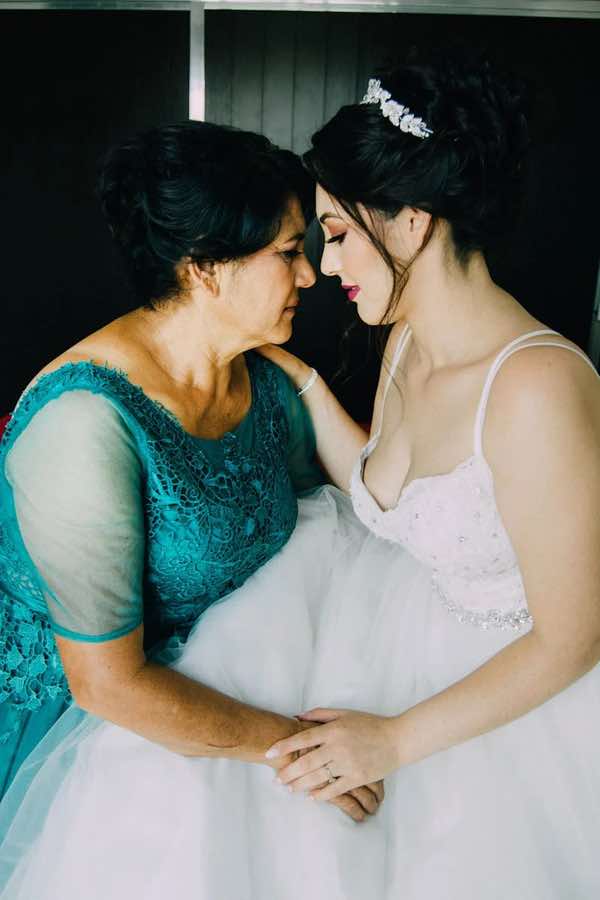

When Your DIY Wedding Skills Meet Real Life: What I Learned Planning a Post-Divorce Celebration
Why Cross-Cultural Friendships Are the Best Gift You Can Give Your Family
It All Starts at the Dinner Table
Imagine you’re having dinner, and instead of the usual “How was your day?” routine, someone at the table is telling a story about a festival you’ve never experienced. Maybe it’s the lantern-filled skies of Thailand’s Yi Peng festival, or the colorful chaos of Holi in India.

Your kids are leaning forward, completely hooked. You’re smiling, soaking it in. And suddenly, you realize — you’re all learning about the world without even leaving the room.
That’s the beauty of cross-cultural friendships. They’re more than just fun connections. They’re little doorways into different ways of living, thinking, and celebrating. And those doorways stay open long after the first “hello.” In this post, as part of our Post-wedding life tips, we’ll explore this fascinating topic.

Stories That Bring the World Closer
When two cultures meet, the first thing they share is usually a story. Not the kind you read in a history book, but the kind that’s personal and real — the story behind a favorite dish, a family holiday, or a tradition that’s been passed down for generations.
Kids eat this stuff up (sometimes literally). They ask questions you never expected:
“Why do they wear that for weddings?”
“Do they really eat dessert first on special days?”
Without even trying, they’re learning how people live in other parts of the world. And with each story, the world feels a little less distant.
Watch this video to get a glimpse of what it means:
Empathy Without the Lecture
You can tell your kids to “be understanding” until you’re blue in the face, but the lesson hits differently when they actually experience it. Spending time with friends from other cultures shows them firsthand that there’s more than one “right” way to do things.
They start noticing small differences — how someone greets you, how families celebrate milestones, or how mealtime looks halfway across the globe. At first, those differences stand out. Soon, they just become part of the friendship. And that’s where empathy really starts to grow.
Bringing the World Home
The best part is you don’t have to travel to make this happen. You can bring the world into your home in simple ways: cooking meals from another country, learning a few words in a new language, or celebrating a holiday that’s new to you.
One of the most immersive ways families do this is by welcoming someone from another country into their everyday life. Some families choose to join an au pair program, which allows them to host a young person from abroad who becomes part of the household. It’s not just childcare — it’s daily cultural exchange, from breakfast conversations to shared traditions. And over time, these experiences don’t just shape your kids; they shape your entire family.
Watch this video to learn more:
Friendships That Go the Distance
Asthe BBC reports, friendships across cultures often last longer than you expect. They’re built on shared discovery, so they have a way of sticking. I’ve heard about families who, years later, still swap postcards, plan visits, or send birthday messages across oceans.
For kids, these bonds can influence so much — from what subjects they study to the careers they pursue. And when they’re grown, they might find themselves telling their own children, “I learned this from a friend who grew up in another country.” That’s when you know it’s a gift that keeps giving.
When Things Get Tricky (and Why That’s Okay)
Of course, not every moment is smooth. Misunderstandings can pop up. Jokes might not translate. There might be an awkward pause when no one knows the right word to use.
But here’s the thing — those moments are valuable. They teach patience, adaptability, and the art of laughing at ourselves. And once you work through them, the friendship usually feels even stronger.
The Ripple Effect
The influence of cross-cultural friendships often shows up years later, in subtle but powerful ways. A willingness to try unfamiliar food. An openness to new ideas. A tendency to see people as individuals rather than stereotypes.
When you give your family the chance to connect deeply with people from different backgrounds, you’re giving them more than memories. You’re giving them skills, values, and perspectives that will shape how they move through the world.
Getting Started Is Easier Than You Think
You don’t have to overhaul your life to build these connections. Invite someone new over for dinner. Go to a local cultural festival. Join a community event where people share traditions from around the world.
These friendships start with small moments. But they grow into something lasting — something your kids will carry into the rest of their lives. And honestly? In a world where we’re more “connected” than ever but often feel further apart, building these kinds of relationships might be the most meaningful thing you do for your family.

- About the Author
- Latest Posts

Jhona Yellin is a contributing writer at Bespoke Bride with a background in sales and a deep passion for weddings, travel, and design. She covers wedding planning guides, venue ideas, and practical advice for couples, bringing a detail-oriented research approach to every piece. Her work at Bespoke Bride focuses on helping couples find the right tools, checklists, and inspiration to plan their day with confidence.