
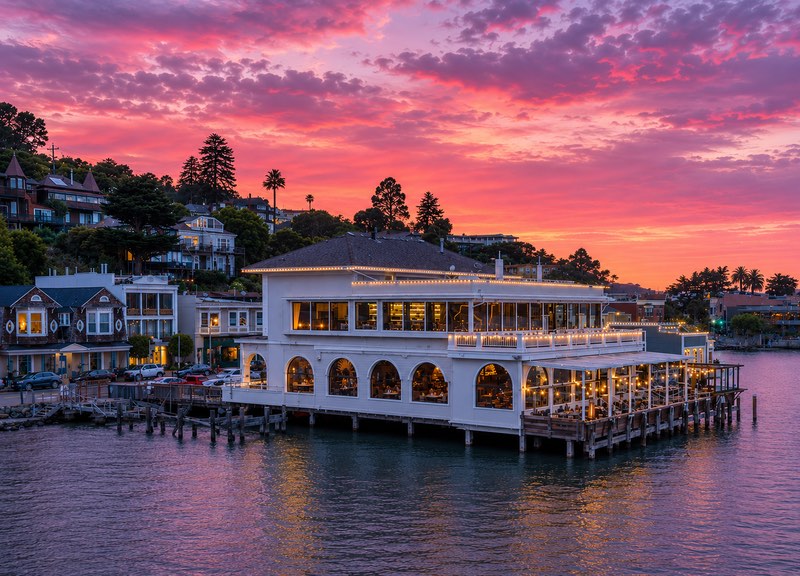
Victoria Kurkina Photography
Your venue is the one decision that changes every other decision you’ll make. It sets the budget, caps the guest list, determines the caterer, shapes what your photographer can do, and defines how the day feels from the first hello to the last dance. Get it right and everything that follows gets easier. Get it wrong and no amount of beautiful flowers can fix it.
This guide covers every venue style, region, price range, and planning question — the complete picture, so you can stop overwhelm-scrolling and start actually deciding.
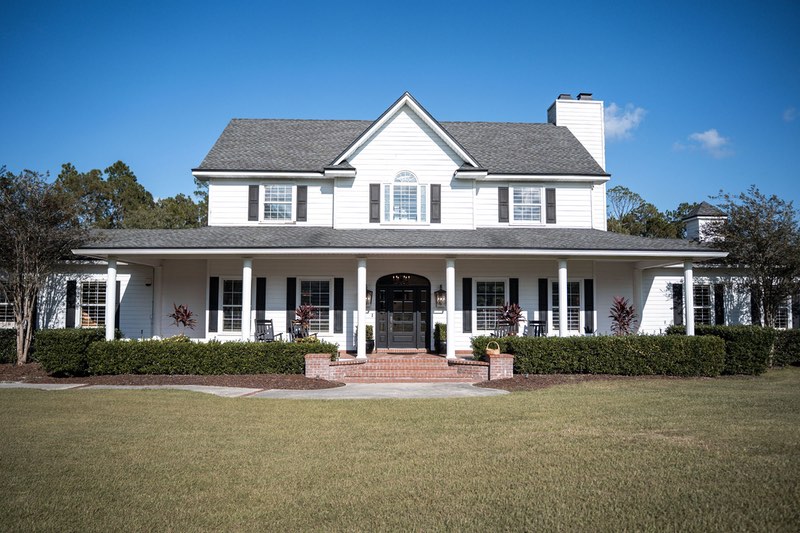
Era Evolve Media
Wedding Venue Fast Facts — 2026
📍 Venues typically consume 30–35% of your total wedding budget
📅 Peak Saturday dates at top venues book 12–18 months in advance — some up to 24
💰 National average venue cost: $10,000–$15,000 (ranges from $3,770 in Wyoming to $41,000 in some Northeast markets)
🌸 Most popular wedding months: June, September, October
🏛️ 200,000+ licensed wedding venues across the US
📋 76% of couples say price was the single most important factor in their venue choice
Wedding Venues Map — 25 Curated US Locations
Historic estates, vineyards, barns, rooftops, beaches, and more — pinned by region. Click any marker to explore.
The Complete US Wedding Venue Guide
14 sections covering every venue type, region, cost breakdown, and booking decision.
Browse by Venue Style
Every wedding aesthetic has a venue that was basically built for it. Here’s where to start.
Rustic charm, exposed beams, and golden-hour magic in every corner. The style that never actually goes out of style.
Blooms, hedgerows, and the kind of natural beauty that needs almost no decoration at all.
Historic estates and mansion venues that do the decorating for you — every corridor a photo opportunity.
Sand, saltwater, and a ceremony backdrop that no florist can replicate. From the Gulf Coast to the Pacific cliffs.
Free-spirited venues where wildflowers, macrame, and magic coexist. Desert ranches, mountain meadows, redwood clearings.
Eco-conscious venues that prove beautiful and responsible aren’t mutually exclusive. Organic farms, conservation estates, and solar-powered barns.
The smallest guest list, the biggest scenery. National parks, coastal cliffs, rooftops, and chapel-in-the-woods situations.
Intimate spaces for under 50 guests where every single detail gets its moment — private dining rooms, boutique inns, rooftop terraces.
How Much Do Wedding Venues Cost in 2026?
The honest answer is: wildly differently depending on where you live and what you want. The national average sits around $10,000–$15,000 for the venue rental alone — but that number conceals a massive range. A weekend on a private estate in the Hamptons bears absolutely no resemblance, cost-wise, to a Friday evening at a state park pavilion in Wyoming.
The bigger number to track is what the venue represents as a share of your total budget. Most couples end up spending 30–45% of their entire wedding budget on venue and catering combined — which is why your venue decision is also, whether you realise it or not, your catering decision, your floral decision, and your photographer decision. Cap the venue and everything else breathes a little easier.
Average Venue Costs by Region (2026)
| Region | Avg. Venue Cost | Notes |
|---|---|---|
| Northeast (NY, NJ, CT, MA) | $21,000–$41,000 | NJ averages $27,710; NYC metro peaks higher |
| Mid-Atlantic (DC, VA, MD, PA) | $15,000–$28,000 | Historic estates and vineyards drive premiums |
| South (TX, FL, GA, NC, TN) | $10,000–$25,000 | Wide range; Texas Hill Country commands premiums |
| Midwest (IL, OH, MI, MN) | $8,000–$18,000 | Best value metro ratio in the country |
| West Coast (CA, OR, WA) | $15,000–$39,000 | Napa/Sonoma and coastal CA push the ceiling |
| Mountain West (CO, UT, MT, WY) | $4,000–$20,000 | Wyoming avg. $3,770; resort towns much higher |
The Hidden Fees Nobody Warns You About
The headline venue fee is rarely the full number. Watch for:
Service charges: 18–25% added on top of catering costs at many all-inclusive venues
Cake cutting fees: $2–5 per guest if you bring an outside cake
Corkage fees: $15–25 per bottle for wine you supply yourself
Overtime charges: Most venues have hard stop times — extra hours can cost $500–$2,000
Required vendor lists: Some venues mandate in-house catering or approved-vendor-only policies that limit your options and raise costs
How to Choose a Wedding Venue: The Honest Process
Most couples approach venue hunting backwards — they fall in love with photos online before they’ve confirmed the guest list, locked the date window, or settled on a rough budget. The venue tour becomes an emotional experience rather than a practical evaluation. This is how couples end up heartbroken when their dream venue can’t hold their 180-person family or has a noise curfew that kills the reception at 9pm. Watch this video to get a glimpse of some of the best wedding venues in the US:

Do these four things before you tour a single property:
Step 1 — Lock Your Guest Count Range
Not your final list — a realistic range. Under 50? 50–100? 100–150? 150+? This single number eliminates most venues immediately and saves a lot of wasted tours.
Step 2 — Set a Venue Budget (Not Just a Wedding Budget)
Aim for no more than 30–35% of your total budget for venue and catering combined. If your total budget is $30,000, your venue-plus-catering envelope is roughly $9,000–$10,500.
Step 3 — Define Your Non-Negotiables
Outdoor ceremony only? Same-site ceremony and reception? Accommodation on-site? Open vendor policy? Knowing your hard requirements before touring saves everyone’s time.
Step 4 — Tour 5–7 Venues, Not 2–3
Fewer than five and you don’t have enough data to make a confident comparison. More than seven and they start to blur together. Five to seven is the sweet spot.
15 Questions to Ask Every Venue Before You Sign
The venue coordinator’s job during a tour is to make you fall in love with the space. Your job is to find out if the space can actually deliver on your wedding day. These are the questions that do that.
| Question | Why It Matters |
|---|---|
| Is our date actually available? | Online calendars are often outdated. Confirm directly, every time. |
| What is the maximum capacity — and the comfortable capacity? | Max and comfortable are very different numbers. Always ask for both. |
| What’s included in the venue fee? | Tables, chairs, linens, staffing, setup — or just the space? The answer changes the real cost significantly. |
| Do you have a preferred or exclusive vendor list? | Mandatory in-house catering or a restricted vendor list can add thousands to your final cost. |
| What is the noise curfew and hard end time? | A 9pm music cutoff is a party-ender. Find out before you fall in love. |
| What is the rain / weather backup plan? | For any outdoor element, you need a plan B that doesn’t require dismantling the entire setup. |
| Are we the only event on the day? | Overlapping events mean shared parking, noise bleed, and a rushed turnover. |
| What is the cancellation and rescheduling policy? | Read the exact contract language. A deposit can be non-refundable even for emergencies. |
| Is liability insurance required, and what kind? | Most venues require event liability insurance. Budget $150–$400 for a policy if you don’t already have one. |
| What is the parking situation? | If there isn’t adequate on-site parking, you need a shuttle plan before you book. |
| When do we get access to set up — and for how long? | Four hours of setup time can feel very different to twelve. Your florist and caterer will thank you. |
| Are there accommodation options on-site or nearby? | On-site accommodation transforms a single-day event into a full wedding weekend experience. |
| Is there a Friday/Sunday or off-season discount? | Shifting one day can save 15–25% on the venue fee. Always ask. Most venues don’t advertise it. |
| Who is our point of contact on the wedding day? | The coordinator who sold you the venue is rarely the one managing your event. Get a name and confirm availability. |
| Can we do a venue visit at the same time of day as our wedding? | Lighting, traffic, and atmosphere are completely different at 6pm than at 11am. See it in your actual wedding window. |
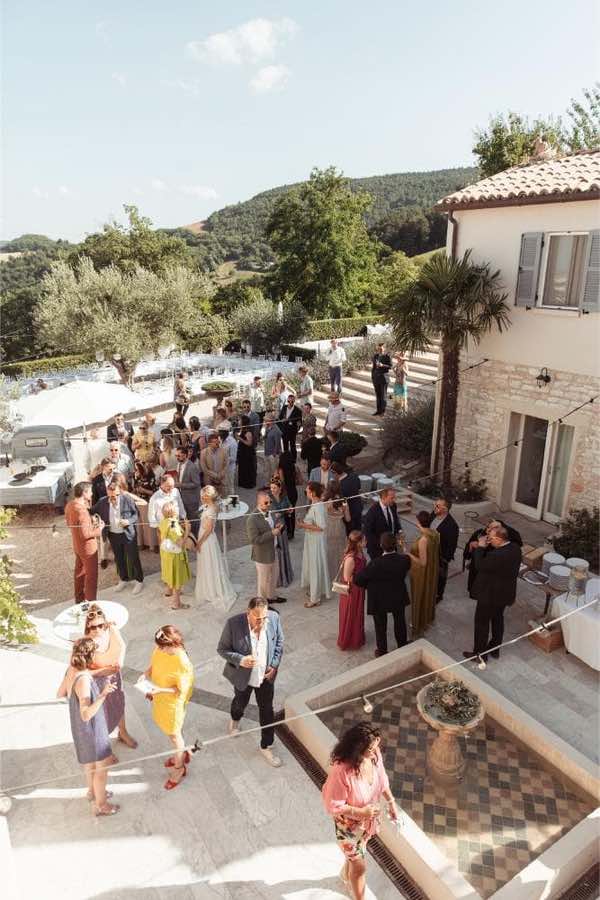
Photo courtesy of Le Stonghe
When to Book: The Realistic Timeline
The single most common regret in wedding planning is not booking the venue earlier. Saturday dates at desirable venues in peak months (May–October) fill fast — and “fast” means 12 to 18 months out in most markets, 18 to 24 months in Napa, Newport, the Hamptons, and Charleston.
| Timeframe | What to Expect |
|---|---|
| 18–24 months out | Peak season Saturdays at in-demand venues. Best selection of dates. Book now. |
| 12–18 months out | Standard lead time for popular venues. Saturday availability narrows significantly after 12 months. |
| 9–12 months out | Fridays, Sundays, and off-peak months still available. Often comes with pricing flexibility. |
| 6–9 months out | Winter dates, weekdays, and last-minute cancellations. Possible but requires flexibility. |
| Under 6 months | Possible, particularly for micro weddings and elopements. Off-peak only for larger events. |
How to Save on Your Venue Without Compromising the Day
The venue is the largest single line item in most wedding budgets — which means it’s also where the biggest savings live. These strategies can save thousands without touching what actually matters on the day:
Book a Friday or Sunday
Friday evening and Sunday weddings typically run 15–25% cheaper than peak Saturday slots — for the exact same venue.
Marry Off-Season
November through March (excluding Christmas week) tends to unlock better rates, better vendor availability, and sometimes surprisingly beautiful light.
Combine Ceremony & Reception
Paying for two separate venues means two rental fees, two setup costs, and two sets of everything. One location cuts that in half.
Trim the Guest List
Fewer guests means a smaller venue, lower per-head catering costs, fewer tables to decorate, and more budget left for everything that actually matters to you.
Ask About Cancellation Waitlists
Dream venue fully booked? Ask to be added to the cancellation list. Couples do cancel, especially 8–12 months out, and waitlisted couples sometimes get the date at a discount.
Negotiate Openly
Almost every venue has flexibility on pricing, particularly for off-peak dates or when you’re booking well in advance. The worst they can say is no. Asking politely costs nothing.
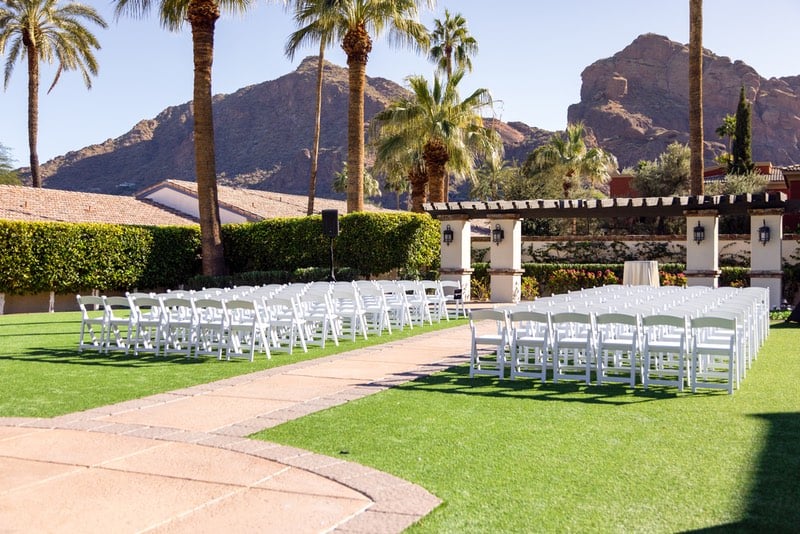
Lovelee Fine Art Photography
The Main Types of Wedding Venue — and What Each Really Means
Beyond the aesthetic categories (barn, beach, garden), venues also differ fundamentally in how they operate. Understanding the type of venue before you tour saves a lot of confusion about what’s actually included.
| Venue Type | What’s Typically Included | Best For |
|---|---|---|
| All-inclusive (hotel / resort) | Catering, staff, tables, chairs, décor, coordination | Couples who want the planning load minimised |
| Blank canvas (warehouse / loft) | The space only — you bring everything else | Couples who want full creative control |
| Estate / private property | Space + often accommodation; vendors usually open | Couples wanting a full-weekend celebration |
| Restaurant / private dining | Catering built-in; intimate capacity | Micro weddings and elopement receptions |
| Outdoor / national park / beach | Permit + location; everything else self-supplied | Elopements and small ceremonies in nature |
| Winery / vineyard | Space + wine; often F&B minimums apply | Couples who want scenery and in-house drink options |
Once You’ve Booked Your Venue — What Comes Next
Your venue is booked, the deposit is paid, and the date is real. Now the rest of the planning can actually begin. Here’s where couples tend to go next — and what to tackle in what order.
Set Your Full Budget
Now that you know the venue cost, build the rest of your budget around it.
Build Your Planning Timeline
Month-by-month breakdown so nothing falls through the cracks.
Start Your Vendor List
Photographer, caterer, florist — the booking order matters.
Decide on a Wedding Planner
Full planner, partial planner, or day-of coordinator — and how to find the right one.