
Wedding Invitation RSVP Tracking: The Part Nobody Prepares For (And How to Get It Right)
Non-Traditional Wedding Photography & Documentation Ideas That Actually Work
I was standing in the corner of a converted warehouse in Brooklyn last autumn, watching a bride ugly-cry over a Super 8 film reel her best friend had secretly shot throughout the reception. No fancy angles. No colour-grading. Just shaky, golden, imperfect footage of people she loves — and she said it was the single best gift she’d ever received. Meanwhile, the couple’s $6,000 cinematic highlight reel sat unwatched in a Dropbox folder. That moment changed how I think about wedding documentation entirely.

Here’s the thing most wedding blogs won’t tell you: the traditional photographer-and-videographer setup is no longer enough for couples who actually want to feel their wedding day again. Today’s smartest couples are layering multiple documentation methods — from a dedicated wedding content creator armed with nothing but an iPhone, to a live painter capturing their first dance in oil, to a vintage video camera adding nostalgic texture their phone could never replicate. Non-traditional wedding photography isn’t a trend. It’s a permanent shift in how modern couples preserve their stories, and in our 13+ years covering weddings at Bespoke Bride, we’ve never seen the gap between “couples who layered their documentation” and “couples who didn’t” feel so wide.

Key Takeaway
The couples who end up happiest with their wedding memories in 2026 aren’t spending more — they’re spending smarter. They combine a strong lead photographer with two or three non-traditional documentation layers (think: content creator, Super 8 film, audio guest book, or live painter) that capture what posed portraits physically cannot: atmosphere, sound, movement, and the raw perspective of the people who love them most. Budget $500–$2,500 for one additional layer, and you’ll have more of your day preserved than a $10,000 single-vendor package could ever deliver.
What Are the Most Unique Video Documentation Ideas for Weddings in 2026?
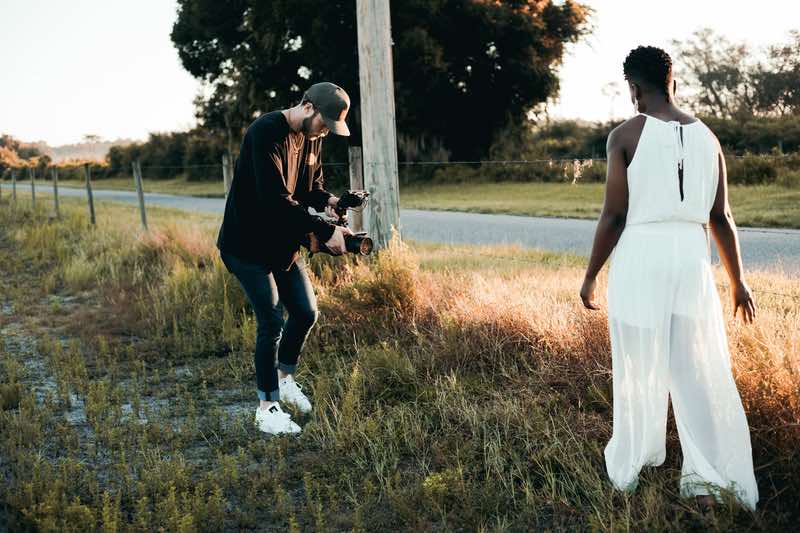
The most exciting shift in non-traditional wedding photography right now is happening on the video side — and it has nothing to do with hiring a more expensive cinematographer. It’s about using unexpected formats that create emotional textures a polished 4K highlight reel simply can’t.
After attending a stunning greenhouse ceremony in Hudson Valley in early 2025, I came away convinced that the future of wedding video isn’t about resolution — it’s about feeling. The couple had hired a traditional videographer and a Super 8 film shooter, and the contrast between the two final products was staggering.
Here are the video documentation methods worth your attention right now:
- Super 8 & 16mm Film: This is the single fastest-growing non-traditional documentation format in 2026. Vendors like Honeyfox Films and Jason Moody Photography are booked solid shooting vintage analog film alongside digital coverage. The grainy, warm footage feels like watching a memory rather than a video. Expect to pay $1,500–$4,000 for Super 8 as an add-on, with a separate highlight reel delivered alongside your digital edit. As noted in a recent piece on The Knot, blurred motion and vintage film aesthetics are among the most requested photography and videography trends heading into 2026.
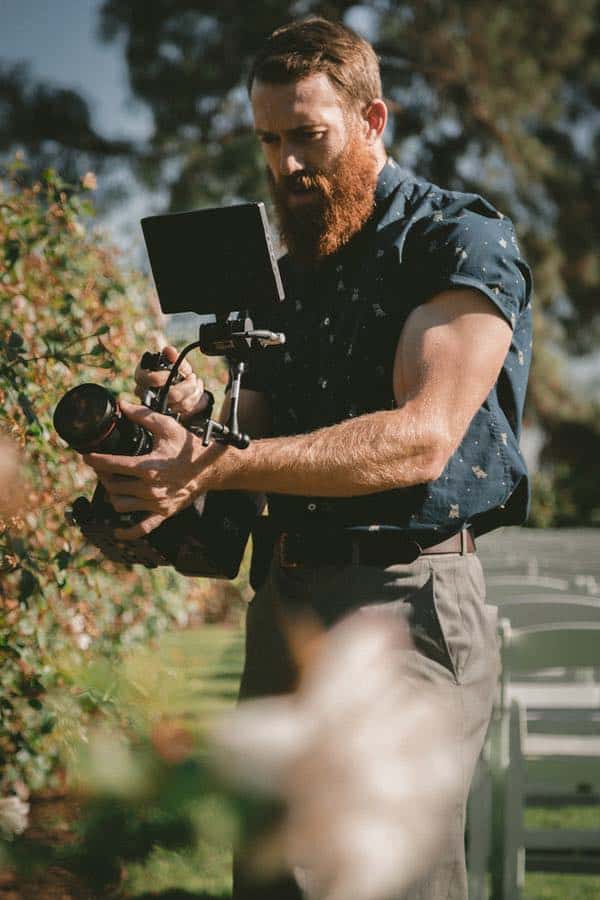
- Wedding Content Creators: According to Zola’s 2026 Wedding Spend Survey, 1 in 5 couples now hire a niche or unique vendor for their celebration, and wedding content creators are the number-one requested category. These professionals shoot iPhone-native vertical video designed for Instagram Reels and TikTok — capturing behind-the-scenes moments, guest reactions, and same-day edits you can share within 24 hours. Pricing ranges from $500 for half-day coverage to $2,800+ for full-day packages.
- Drone Cinematography: FAA-certified drone pilots can now capture smooth aerial footage that shows the full scale of your venue and ceremony from perspectives impossible at ground level. Particularly powerful for garden weddings, estate celebrations, or coastal elopements.
- Same-Day Edits (SDEs): A videographer shoots your entire day through to the ceremony, then edits a three-to-five-minute mini documentary that premieres during your reception. Guests watch it on a screen, and the room erupts. We’ve seen this at three weddings in the past year and the emotional payoff is enormous.
- Guest-Perspective Video Booths: Unlike traditional photo booths, video booths let guests record 30–60 second messages, sing karaoke-style dedications, or share stories. The compiled footage becomes an intimate time capsule you’ll revisit for decades.
Watch this video for some more tips:
Our Experience
After attending a multi-day celebration in Savannah, Georgia in March 2025, we watched the couple receive both their cinematic film and their Super 8 reel on the same day — six weeks post-wedding. The bride told us she’d rewatched the Super 8 reel “at least forty times” and the cinematic edit twice. The analog footage, with its soft grain and warm flicker, felt like a love letter from the past. We’ve spoken with dozens of videographers since, and the consensus is clear: hybrid digital-plus-analog packages are now the gold standard for couples who want documentation that ages beautifully.
“In 2026, the couples who end up most satisfied with their wedding video aren’t the ones who spent the most — they’re the ones who layered formats: cinematic digital for clarity, analog film for soul.”
| Video Method | Average Cost (2026) | Turnaround | Best For |
|---|---|---|---|
| Traditional Cinematic Videographer | $2,500–$5,000+ | 6–12 weeks | Polished highlight reels, full ceremony capture |
| Super 8 / 16mm Film Add-On | $1,500–$4,000 | 6–10 weeks | Nostalgic texture, heirloom-quality analog footage |
| Wedding Content Creator | $500–$2,800 | 24–72 hours | Social media Reels, behind-the-scenes, instant sharing |
| Drone Cinematography | $400–$1,500 (add-on) | Included in video edit | Grand venue shots, destination & outdoor weddings |
| Same-Day Edit (SDE) | $800–$2,000 (add-on) | Same evening | Reception premiere, wow factor, emotional impact |
| Guest Video Booth | $300–$1,200 | 1–2 weeks | Personal messages from guests, long-term keepsake |
Is a Live Wedding Painter Actually Worth the Investment?
Yes — and it’s not even close. A live wedding painter is one of the few documentation investments that actually appreciates in value over time. As of 2026, the typical investment for a professional live wedding painter ranges from $2,000 to $10,000, with most experienced artists charging between $2,500 and $5,000 for local weddings.
I’ll be direct: we’ve attended over a dozen weddings in the past two years that featured live painters, and every single couple told us afterward it was their favourite vendor hire. Not the florist. Not the band. The painter. There’s something about watching a blank canvas transform into a permanent record of your first dance — right there in front of your guests — that photography and video simply cannot replicate. Watch this video to get a glimpse:
What Is a Live Wedding Painter?
A live wedding painter is a fine artist who attends your wedding and creates a painting of a key moment — typically the ceremony, first dance, or reception panorama — in real time, on-site, in front of your guests. Most painters arrive hours early to sketch the venue’s architectural details, then paint throughout the event and take the canvas back to their studio for final refinements. The completed heirloom piece is typically delivered within six to twelve weeks.
The trend has exploded since 2020, largely fuelled by TikTok. Ben Keys Fine Art Studio in Charleston, South Carolina — one of the most established names in the space — has painted over 500 weddings and reports that demand continues to grow year over year heading into 2026–2027. Live painting is especially stunning at dramatic and historic wedding venues where the architectural backdrop becomes part of the artwork.
What makes this a genuinely superior documentation method compared to photos? Photographs end up on hard drives and in albums. A painting lives on your wall every single day, growing in sentimental value for decades. Several artists also offer the option to incorporate loved ones who have passed away or pets who couldn’t attend, using reference photos — something no camera can do.
“After 13 years covering weddings, we can say this with confidence: the live wedding painting is the only documentation investment that becomes more valuable with every year that passes.”
Why Are Audio Guest Books Replacing Traditional Sign-In Books?
Because a handwritten “Congratulations! So happy for you both!” on a page you’ll never re-read doesn’t hold a candle to hearing your grandmother’s actual voice telling the story of how she met your grandfather at her wedding. Audio guest books — typically a vintage rotary phone or retro handset wired to a digital recording device — let guests pick up the receiver and leave a voicemail-style message in their own words, voice, and emotion.
Platforms like After The Tone and FêteFone have made this format accessible and affordable, with rentals typically running $150–$400. As of 2026, industry data shows that audio and video guest book alternatives are among the fastest-growing wedding add-ons, with QR-code-based photo sharing systems rapidly replacing traditional paper sign-ins. We’ve covered several weddings where couples combined an audio guest book with a creative DIY decor setup, styling the vintage phone as a centrepiece on a dedicated memory table. Watch this reel for some inspo:
The real power here is long-term. Industry research consistently shows that audio recordings of deceased loved ones or aging grandparents are cited as the single most “priceless” element of wedding documentation years later. A photo captures how someone looked. An audio recording captures who they were.
“The audio guest book is the most underrated wedding investment in 2026. For under $300, you get something no amount of money can buy later: the actual voices of the people who showed up for you.”
Do Disposable Cameras and Guest Photography Actually Deliver Good Results?
Here’s where I’m going to give you the honest take that most wedding blogs avoid: disposable cameras produce terrible technical photographs and incredible emotional ones. The two aren’t mutually exclusive. What you get from a table full of Kodak FunSavers will never match your professional photographer’s work — but that’s exactly the point. The blurry, flash-blasted, slightly-off-centre shots from your guests’ perspective often end up being the images couples love most.
The “Popcorn Camera” concept — a single disposable camera passed hand-to-hand among guests throughout the night — has gained major traction on TikTok and Instagram. Each person becomes a photographer for a moment, and you get a chaotic, joyful, completely unfiltered record of your celebration. Budget roughly $14–$53 per camera, plus developing costs.
The modern digital alternative? QR-code photo sharing platforms like Wedibox, which give every guest a personalised upload link. No app downloads required. Guests scan a code, take photos on their own phones, and everything lands in a shared album you can access immediately. This pairs beautifully with non-traditional wedding photography because it captures angles and moments your professional team physically couldn’t cover — the selfie at the bar, the kids dancing when no one was watching, the quiet conversation between two old friends reconnecting.
What Most Brides Get Wrong
The biggest mistake we see? Couples who put disposable cameras on tables without any instructions. Guests don’t know what to photograph, kids waste entire rolls on the ceiling, and half the cameras get taken home accidentally. The fix is simple: include a small printed card with three to five “capture this” prompts (your favourite moment of the night, the person next to you laughing, a selfie with the couple) and designate one friend to collect all cameras at the end of the evening. This alone triples the quality of what you get back.
What Non-Traditional Wedding Photography Styles Are Worth Booking in 2026?
Beyond documentation methods, the style of photography you choose matters enormously. As of 2026, the wedding photography landscape has splintered into distinct creative movements — and the smartest couples are mixing them rather than committing to just one. You can also check out our wedding photography styles hub for more inspiration.
- Documentary / Photojournalistic Style: No posing, no directing. The photographer functions as a visual journalist, capturing real moments as they unfold. This approach has matured significantly — as covered in a recent feature on THE WED, documentary-style photography in 2026 is focused on emotional truth and spatial context rather than simple candids.
- Editorial / Fashion-Forward: Dramatic lighting, striking compositions, and high-fashion posing. Think the pages of Vogue but starring you. This is ideal for couples who want their portraits to feel like art, not just a record.
- Film Photography Revival: Shooting on actual 35mm or medium-format film is experiencing a full renaissance. The gentle grain, natural skin tones, and warm colour palette produce images with a tangible, timeless quality that digital post-processing can imitate but never truly match.
- Direct Flash / Paparazzi Style: On-camera flash with slightly tilted angles, creating images that look like you and your guests were caught mid-celebration by a fashion photographer. Bold, high-contrast, and very 2026.
- Blue Hour Portraits: That brief, magical window just after sunset when the sky turns deep blue. Photographers like those featured in The Knot’s trend roundup cite blue hour as the new golden hour — moody, romantic, and utterly cinematic.
When we tested this with real couples at a vintage-themed celebration in Austin last year, the hybrid approach (documentary coverage all day plus a 20-minute editorial portrait session at blue hour) consistently delivered the most satisfying galleries. You get both the real moments and the magazine-worthy art pieces.
| Approach | Old Way (Pre-2020) | New Way (2025–2026) |
|---|---|---|
| Photography Style | One photographer, posed portraits + ceremony | Hybrid documentary + editorial, often 2 shooters |
| Video | Single videographer, highlight reel only | Cinematic digital + Super 8 analog + content creator |
| Guest Participation | Paper guest book | Audio guest book, QR code photo sharing, video booth |
| Turnaround | 6–12 weeks for everything | 24-hour content creator delivery + 6-week polished edit |
| Keepsake Art | Printed photo album | Live painting + printed album + analog film reel |
Is Non-Traditional Wedding Photography Worth the Extra Investment?
Short answer: absolutely, but only if you’re strategic about it. Non-traditional wedding photography methods aren’t meant to replace your professional photographer — they’re meant to fill the gaps that a single vendor, no matter how talented, physically cannot cover.
As of 2026, the average U.S. wedding costs approximately $36,000. Photography and videography together typically represent 10–15% of that budget. Adding one or two non-traditional layers — say, a content creator at $1,200 and an audio guest book rental at $250 — adds roughly 4% to your total budget while dramatically expanding the breadth and emotional depth of what you preserve.
We’ve spoken with dozens of planners and recently married couples about this, and the consensus is remarkably consistent: couples who skip non-traditional documentation rarely notice on the wedding day itself, but deeply regret it within the first year. Conversely, couples who invest in even one additional documentation layer almost universally say it was among their best vendor decisions.
| Documentation Method | Budget Bride (<$15K) | Mid-Range Bride ($15K–$40K) | Luxury Bride ($40K+) |
|---|---|---|---|
| Content Creator | Depends | Yes | Yes |
| Super 8 Film Add-On | No | Depends | Yes |
| Live Wedding Painter | No | Depends | Yes |
| Audio Guest Book | Yes | Yes | Yes |
| Disposable / Guest Cameras | Yes | Yes | Depends |
| Drone Cinematography | No | Yes | Yes |
| QR Code Photo Sharing | Yes | Yes | Yes |
What’s the Best Non-Traditional Documentation Setup for Your Wedding Style?
Not every couple needs every layer. The right mix depends on your priorities, your venue, and honestly — how you actually consume media day to day. Here’s what we’d recommend based on the hundreds of weddings we’ve covered:
The Social-First Couple (lives on Instagram/TikTok): Lead photographer + content creator + QR code guest sharing. You want fast-turnaround content you can post within 24 hours, plus a massive library of guest-perspective shots. This setup delivers the most shareable content per pound spent.
The Nostalgic Romantic: Lead photographer (film or hybrid) + Super 8 videography + audio guest book. Skip the social media rush and invest in formats that will feel even more meaningful in 20 years. If you’re planning a vintage-inspired celebration, this combination is absolutely perfect.
The Intimate Micro-Wedding Couple: One documentary photographer + disposable cameras for guests + audio guest book. With a smaller guest list (under 50), your photographer can cover nearly everything. The disposable cameras and audio book add sentimental depth without overwhelming a micro wedding with too many vendor presences.
The Luxury All-In Couple: Lead photographer + second shooter + cinematic videographer + Super 8 add-on + content creator + live painter + audio guest book. Yes, it’s a lot. But for couples with the budget, this delivers the most comprehensive, multi-format record of a wedding day that’s currently possible.
“The biggest regret we hear from brides isn’t ‘I spent too much on documentation.’ It’s always ‘I wish I’d captured more of what it felt like, not just what it looked like.'”
How Do You Find and Vet Non-Traditional Wedding Documentation Vendors?
This is where many couples stumble. The non-traditional wedding photography space is booming, which means the vendor landscape is uneven. A quick Instagram search will turn up hundreds of wedding content creators and Super 8 shooters — but experience levels vary enormously.
Here’s what we recommend after years of watching vendors deliver (and sometimes fail to deliver):
- Ask for full wedding galleries, not just highlight reels. Any content creator can show you their best 30-second Reel. Ask to see the full deliverable set from a recent wedding. Consistency matters more than their single best clip.
- For live painters, verify they’ve actually painted live at weddings — not just in a studio. The skill sets are completely different. Live wedding painting requires working under pressure, adapting to changing light, and capturing likenesses without asking people to sit still.
- Check that your videographer has experience with analog film before booking a Super 8 add-on. Film stock is expensive, each cartridge only captures a few minutes of footage, and the shooting approach is fundamentally different from digital. Ask how many weddings they’ve shot on film specifically.
- Get references from real couples, not just vendor testimonials on their website. Ask for email introductions to two or three past clients. The best non-traditional vendors are happy to connect you.
- Confirm how your non-traditional vendors will coordinate with your lead photographer. The content creator, the Super 8 shooter, and the photographer need a clear protocol for who has priority at key moments. A professional team sorts this out in advance — if your vendors can’t articulate how they’ll collaborate, that’s a red flag.
Vendor marketplaces like Zola’s vendor marketplace now include dedicated categories for wedding content creators, making it easier than ever to find vetted professionals. For live painters, start with Instagram hashtags like #liveweddingpainter plus your city, then cross-reference portfolios and reviews.
Expert Take
We’ve spoken with dozens of wedding planners and coordinators about the rise of non-traditional wedding photography and multi-vendor documentation setups. The consensus? Communication is everything. The planners who build a “media team briefing” into their day-of timeline — a 15-minute huddle between the photographer, videographer, content creator, and any other documentation vendors — report dramatically smoother coverage and happier couples. If your planner isn’t doing this, request it. It takes minutes and prevents hours of coordination headaches.
How Should You Plan Your Non-Traditional Documentation Timeline?
Timing matters more than you think. Here’s the booking timeline we recommend based on current vendor availability trends in 2026:
- 12+ months out: Book your lead photographer and videographer. Also lock in your live painter if you want one — the best artists book a full calendar year in advance.
- 8–10 months out: Book your wedding content creator. Demand has surged since 2024 and the best creators fill up fast, especially for peak season Saturdays.
- 4–6 months out: Arrange your audio guest book rental, order disposable cameras, and set up your QR code photo sharing platform.
- 2–4 weeks out: Schedule your media team briefing. Share a shot list, a timeline, and a clear priority hierarchy (photographer takes precedence at ceremony, content creator covers behind-the-scenes, etc.).
- Day before: Test your audio guest book and QR code system. Confirm placement with your venue coordinator. Brief any friends tasked with managing disposable cameras.
If you’re also planning the decor side of your celebration, our ultimate guide to DIY wedding decor covers how to create beautiful setups that photograph exceptionally well across all of these documentation formats.
“The future of wedding documentation isn’t choosing between traditional and non-traditional — it’s building a layered system where every format captures a dimension that the others miss.”
In our 13+ years covering weddings, the single biggest shift we’ve witnessed is this: the smartest couples in 2026 are treating their documentation strategy the way they treat their venue or their catering — as a cohesive, multi-layered system designed with intention, not an afterthought. Non-traditional wedding photography and documentation isn’t about being trendy. It’s about making sure that when you sit down in 10 years to show your kids what your wedding day felt like, you actually can.
— The Bespoke Bride Team

- About the Author
- Latest Posts

Denis Gentilini is a wedding photographer and creative director contributing to Bespoke Bride, specialising in capturing the authentic emotion of intimate celebrations. With years of experience turning couples’ visions into imagery that lasts a lifetime, Denis brings a storyteller’s eye to every wedding he covers — from the grand gestures to the quiet, unguarded moments in between. His belief that no wedding dream is too ambitious to realise shapes both his photography and his writing, which focuses on inspiring couples to pursue the celebration that is truly theirs. The moment a couple sees their vision come to life is, in his words, the greatest reward the job offers.