


When Your DIY Wedding Skills Meet Real Life: What I Learned Planning a Post-Divorce Celebration
Bridal Insights: Navigating “My Boyfriend Hates Me” Moments Before the Big Day
Over 14 years of interviewing brides for Bespoke Bride Magazine, we’ve heard countless stories about pre-wedding jitters—but some of the most common worries aren’t about flowers or dresses. They’re about relationships. Many brides confide in us about thoughts like, “My boyfriend hates me”, often triggered by small changes in behavior rather than anything he actually said.
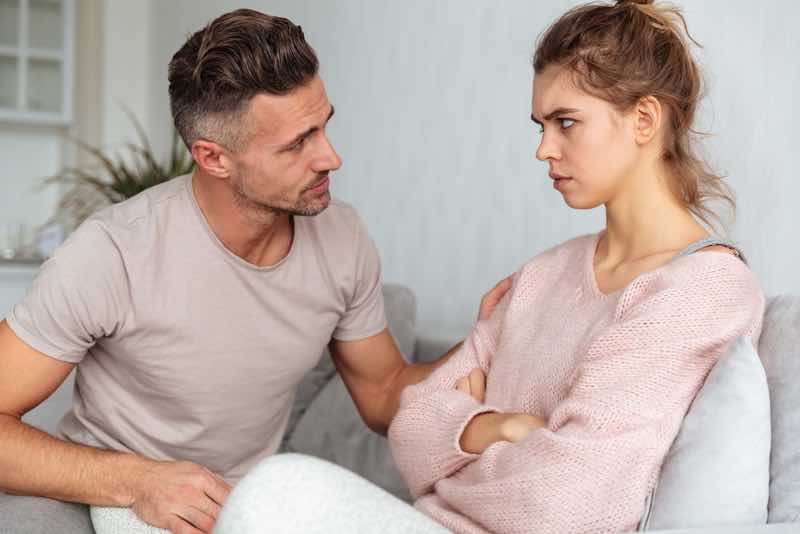
“My boyfriend hates me” might not even come from something he said or did. You may feel this way exactly because of something he doesn’t do. Distance, irritability, less time together, etc.
In general, people get the sense that the feelings of their partners have changed toward them through differences in behavior or routine. On one hand, everything still works out for both of them. On the other hand, you question yourself about whether the change brought problems.

In this article, we’ll explore the real meaning behind this feeling. What are the signs that your boyfriend might hate you?
What Are the Signs That My Boyfriend Hates Me?
When you find yourself wondering, “Does my boyfriend hate me?”, it’s not always an overreaction. Maybe your emotions pick up the signs quicker than your consciousness. Or maybe your feelings stem from previous experiences.
It’s important to learn the warning signs before assuming. To find a reason and answer the question “Why does my boyfriend hate me?”, you have to know what a “hating” partner can look like. We show their characteristics below:
P.S. We use the word “hate” to describe negative feelings, rather than pure hatred. It’s only a generalization, and these signs may mean completely other things. For a clear answer to your concerns, please consult a mental health specialist.
Increased irritability.
He seems easily annoyed by things that never bothered him before. These feelings are mostly about you: your tone, questions, and even your presence. As for you, nothing changed, but his patience has become rare. It can mean that your partner may be frustrated with you, but is suppressing it.
Less physical affection.
Disappearing hugs, kisses, or touches is an indicator of something, especially if physical touch is a love language of one of the partners. According to Everyday Health magazine, it’s normal that physical intimacy decreases in long-term couples. 13.5% of all long-term couples don’t have sex in 5 years (their satisfaction with this outcome is unknown). Estimate what your norm was and whether your declining intimacy is a problem at all.
More time alone.
He starts staying late at work, spending hours on his phone, or finding excuses to avoid shared time. It’s okay to need space and have busy days at work. What’s not okay (especially if both partners agree on this) is avoiding togetherness completely.
Constant arguments and disagreements.
Every conversation turns into a debate. You might notice that even harmless topics become reasons to fight. Arguments that used to resolve quickly now feel heavier. Extra point: you are left wondering whether your boyfriend still loves you after each fight.
Emotional unavailability.
He doesn’t open up about his feelings anymore, and when you do, he dismisses or minimizes your feelings.
Short temper.
Sudden anger over small things, forgetting a detail, making a joke, or expressing your needs, might indicate his emotional burnout or irritation with you.
Public humiliation.
A more concerning sign is when he mocks or belittles you, especially in front of others. This kind of behavior might point to built-up resentment or unhealthy power dynamics.
If you notice several of these signs, it’s natural to feel confused or hurt. Pay attention, not just to his actions, but to how those actions make you feel. You’re definitely not “crazy”. Everything you feel is valid.
Watch this video to learn more:
What We Heard From Brides:
Many brides shared that noticing a few of these behaviors right before the wedding often caused panic. One bride admitted, “He was snapping at me over tiny things. I thought he hated me, but he was just overwhelmed with wedding stress.” Another bride laughed, saying, “Our fights were so over-the-top that I started taking notes—it was like a relationship weather forecast before the big day!”
Why Do I Feel Like My Boyfriend Hates Me?
The feeling you might have that your boyfriend hates you rarely means that your partner genuinely feels such intense negative feelings towards you. Consider these reasons why you can feel that your boyfriend doesn’t like you:
Mental health conditions
Stress
Narcissistic trauma in childhood
Negative experience in previous relationships
It doesn’t mean that you’re the problem. However, in order to solve the conflict, you also have to reflect on your side: why you feel this way and what your partner can do to support you.
Here’s a breakdown of the potential reasons why you can feel like your boyfriend hates you:
Mental health conditions of one of the partners.
According to WebMD, depression, anxiety, ADHD, bipolar disorder, PTSD, borderline personality disorder, etc., can all cause irritability, withdrawal, and emotional numbness. One of you can seem distant or unable to engage in affection, not because you don’t care, but because mental energy is focused on simply coping. Seek support, but also protect your emotional boundaries.
Stress.
Love fades into the background when life feels too heavy. Work overload, financial strain, health worries, family issues, etc., can easily spill into the relationship.
Growing up with narcissistic parents.
If you or your boyfriend grew up with emotionally immature or narcissistic caregivers, you both could inherit narcissistic trauma. This is especially “palpable” in romantic relationships.
You might constantly fear rejection, worrying that the smallest conflict means the end. This fear can also be subconscious: you might not even realize you have it. On the other hand, you or your boyfriend might have learned to suppress emotions or equate vulnerability with weakness.
In both cases, childhood experiences set the stage for adult attachment struggles, where love feels conditional.
Another common experience in childhood that can start avoidant behavior is (emotional) neglect. If love had to be earned in childhood through achievements or good behavior, you might subconsciously carry that pattern into adulthood.
When your boyfriend acts distant, your mind may interpret it as “I failed again.” Similarly, if he was emotionally neglected, he may find it hard to express affection, making the relationship feel colder than it really is.
Past Relationship trauma.
According to Healthline, past betrayals, emotional manipulation, or breakups can make you hypersensitive to changes in your partner’s behavior. Even minor disagreements may trigger flashbacks of previous rejection. This doesn’t mean you’re overreacting, but that you’re protecting yourself from repeating pain.
What We Heard From Brides:
Brides often admitted that past heartbreak made them hyper-aware of small changes in their fiancé’s behavior. One bride confessed, “I kept thinking he hated me every time he looked stressed—but it was just pre-wedding nerves!” Another added, “Talking to my maid of honor helped me realize my past made me jump to conclusions.”
Watch this video to learn more about how stress can affect a relationship:
When Is the Boyfriend Really a Problem?
Here are signs that the problem isn’t just communication. It might actually be your boyfriend:
Manipulation and gaslighting
Control and isolation
Criticism
(Emotional) punishment
Disrespect
What We Heard From Brides:
Several brides realized before their wedding that certain behaviors weren’t just stress—they were genuine red flags. One bride shared, “I had to confront him about how he treated me in front of family. That talk saved my sanity and made me set healthy boundaries.”
Frequently Asked Questions (FAQs)
How to know if he still loves you after a fight?
Love doesn’t disappear after one argument. It’s common that some people may feel unloved after an exchange of concerns; that’s why you should pay attention to the aftermath of fights. If he apologizes, checks in on your feelings, and tries to make amends, that’s love expressed through accountability. Even if he withdraws for a while, many people need space to calm down.
Am I dramatic when I feel that my boyfriend hates me, or does he really not like me?
You’re not dramatic, and every feeling of yours has grounds. Your body may sense disconnection before your mind can rationalize it. However, those feelings can also stem from anxiety, insecure attachment, or low self-esteem. Before assuming the worst, try observing his behavior consistently and having a calm, direct conversation about what’s changed.
What should I do if my boyfriend hates me?
First, define what “hates” means in your situation. If it’s neglect, anger, or disrespect, set clear emotional boundaries. Ask yourself whether you feel safe. If not, it may be time to step away or seek professional guidance.
Why do I feel like my boyfriend hates me all of a sudden?
Sudden emotional distance can happen for various reasons: stress, mental health struggles, or hidden resentment. But it can also come from your own fears of abandonment.
How does a man act when he doesn’t like you?
Men who’ve emotionally checked out become detached. They might avoid eye contact, stop initiating plans, respond with short or dismissive answers, etc. Some might become irritable, while others might be cold and distant.
Why does my boyfriend act like he hates me?
It could be emotional overwhelm, miscommunication, or deeper relationship issues. Sometimes, partners act “cold” because they’re struggling internally and project frustration outward. Other times, it’s a sign of incompatibility or emotional immaturity.
What We Heard From Brides:
Brides frequently shared that talking through worries with friends or bridal parties helped them separate stress from actual relationship issues. One bride said, “Just venting to my best friend made me see it was nerves, not hate!” Another noted, “Documenting my thoughts in a journal helped me track what was really going on with him versus what my anxiety made me think.”

- About the Author
- Latest Posts

Tara Thistlethwaite is a professional wedding and event planner with over a decade of hands-on industry experience, and the founder and lead planner of Engaged Event Management, a boutique wedding and event management company serving the Greater Philadelphia area. She launched Engaged Event Management in 2019 after nearly five years as a wedding and event planner at SomethingBlu Weddings + Events, and a previous role as Venue Sales Manager at the Chester County Historical Society — giving her a rounded perspective on weddings from the venue, planning, and day-of coordination sides simultaneously. Her specialisation is event day logistics: the detailed, behind-the-scenes orchestration that allows couples to be fully present on their wedding day rather than managing timelines, vendors, and inevitable last-minute pivots. With over eleven years working across Philadelphia-area weddings, Tara brings deep regional knowledge of venues, vendors, and the practical realities of wedding day coordination to everything she writes. At Bespoke Bride, she offers couples expert, experience-backed guidance on wedding planning, day-of coordination, and the logistics decisions that determine whether a wedding day actually runs the way it was planned.