

Glasses and Wedding Makeup: The Honest Guide to Eyes That Actually Show Up in Photos
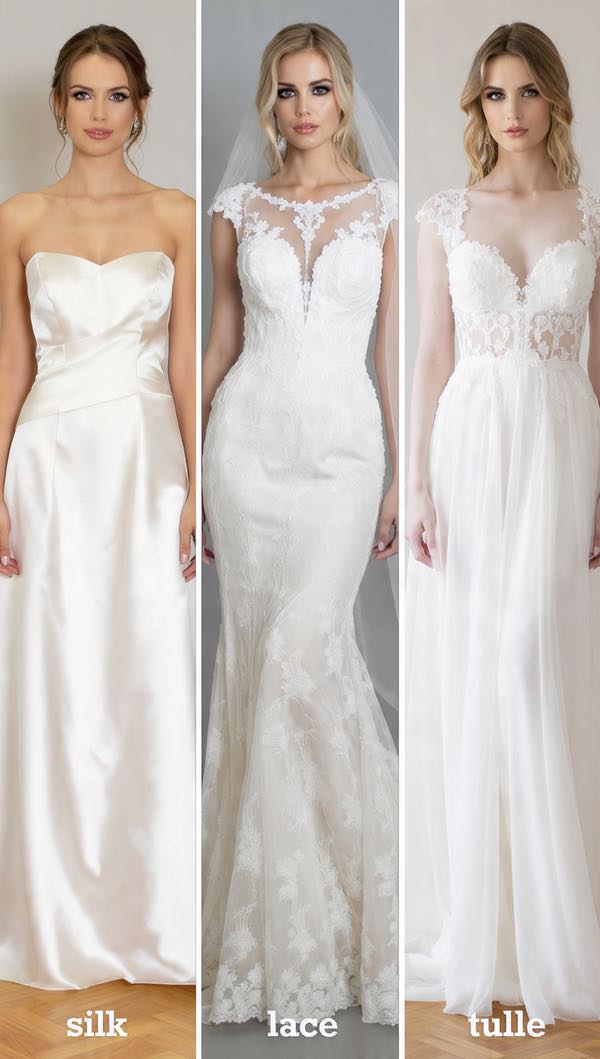
The Fabric Factor: How Different Wedding Gown Materials Affect Preservation Methods
Your wedding gown is a complex textile, not a single, monolithic material. The difference between silk and polyester, or delicate tulle and heavy satin, dictates everything about how it must be cleaned and ultimately stored. Applying a one-size-fits-all approach to fabric care is the surest way to invite permanent damage. In this post, as part of our wedding fashion tips, we’ll explore how different wedding gown materials affect preservation methods.

Successful preservation is dependent on a specialist’s ability to match the cleaning method and solvent precisely to the fabric type, protecting your investment for decades. Don’t risk damaging delicate fibers with generic cleaning methods. Trust the specialized techniques tailored to your gown’s materials.
The Foundation: Cleaning Antique Silk Dresses and Natural Fibers
The Challenge of Protein Fibers (Cleaning an Antique Silk Dress)
Natural fibers like silk are protein-based, making them exceptionally beautiful but also highly sensitive. Silk fibers can be permanently weakened or yellowed by high heat, prolonged exposure to water (causing spotting), and especially acidic or alkaline cleaners. This is why a simple laundry detergent or even an improperly pH-balanced solvent can be catastrophic.

To protect this delicate fiber, professionals must use extremely gentle, pH-neutral solvents and minimal mechanical agitation.
- What is the specialized method for cleaning vintage or antique silks?
- Vintage or antique silks require stabilization before cleaning. The specialized method often involves a delicate, controlled process using extremely mild, neutral-pH solvents (often pure distilled water or highly refined dry-cleaning solutions) and meticulous hand-cleaning. The age of the fiber means it’s already inherently weaker, so the goal is not just stain removal but fiber stabilization, often addressing discoloration from age and preventing further weakening of the historic material. Cleaning antique silk dress material is truly a restoration science.
Structure vs. Softness: Preserving Lace Wedding Gown and Tulle
The Complexity of Open Weaves (Preserving Lace Wedding Gown)
Lace, with its intricate structure and open weave, requires a completely different approach than a solid fabric like satin. The risk of ripping, snagging, or distorting the delicate pattern during cleaning is significantly high.
- Is it harder to preserve lace and tulle than satin?
- Yes, due to their structural delicacy. While satin (especially synthetic) can withstand more agitation, lace and tulle are much more fragile. The open weave of tulle easily catches on machinery or other items, risking tears, and its sheer nature means contaminants like dust and sugar sit on the fibers and require specific treatment. Preserving lace wedding gown material requires placing the garment in a protective mesh bag and using extremely low or no agitation to prevent distortion or ripping of the pattern.
The Layering Challenge of Tulle (Preservation for Tulle)
Most ballgowns feature multiple layers of tulle in the skirt to create volume. Stains at the hemline—where the gown drags—must be treated individually on each of the many layers. Aggressive immersion can actually fuse layers or trap chemical residue. Therefore, techniques focusing on preservation for tulle often involve vertical cleaning and precise spot-treating, rather than full immersion cleaning.
Embellishment Care: Safe Beading, Cleaning, and Decoration
The Risk to Decorations (Safe Beading Cleaning)
It is not just the base fabric that dictates the process; it is often the decorations. Many contemporary gowns feature plastic sequins or glued-on beading that can dissolve, melt, or detach when exposed to strong cleaning agents or high temperatures. Metallic beads and trims can easily tarnish.
- Can beading and sequins withstand the necessary cleaning chemicals?
- Often, no, which is why chemical isolation is mandatory. Most contemporary beading and sequins are made of plastics or are glued on with adhesives that can dissolve in strong preservation solvents. Furthermore, metallic beads can tarnish when exposed to moisture. Professionals must visually inspect the gown, isolate delicate areas, and test solvents on a non-visible area to ensure the safe beading cleaning process does not destroy the decorations. Sometimes, specialized hand-spotting is the only viable method.
Visualizing the Damage Risk
To illustrate the importance of material specialization, the graph below visualizes the inherent risk of damage during cleaning for various common gown materials:
Wedding Gown Preservation Risk Table
| Material Type | Examples | Primary Damage Risk | Required Specialized Care |
|---|---|---|---|
| Natural/Protein | Silk, Antique Satin, Cotton | Yellowing/Weakening from acid, Water Spotting, Heat Damage | pH-Neutral Solvents, Hand Spotting, Controlled Moisture |
| Synthetic/Cellulose | Polyester, Taffeta, Nylon | Oil-based stains set permanently, **Heat Sensitivity** (Polyester) | **Stronger Solvents possible**, Monitored Agitation, Lower Heat |
| **Open Weaves/Layers** | Lace, Tulle (Ballgowns) | **Ripping/Snagging**, Distortion of pattern, Contaminant residue | **Protective Mesh Bags**, Extremely Low/No Agitation, Vertical/Precise Spot-treating |
| **Embellishments** | Beading, Sequins, Metallic Trims | **Dissolving/Melting** (plastic), **Detaching** (glue), **Tarnish** (metal) | **Chemical Isolation**, Test Solvents on Non-visible Area, Specialized Hand-Spotting |
*Note: Applying a one-size-fits-all approach is the surest way to invite permanent damage. Always trust specialists who match the solvent and method precisely to your gown’s fabric and decoration.
Matching Method to Material
The material of your gown is the single most important factor determining the preservation method. From the fragility of antique silk to the structural challenge of tulle and lace, every fiber requires a custom, expert approach to achieve true, lasting heirloom textile care.
Generic, one-size-fits-all cleaning can permanently damage specialized fabrics and fragile embellishments. Demand expertise tailored to your specific gown. Ensure your gown is treated with the customized method it deserves. Learn more and begin your specialized preservation with the experts.

- About the Author
- Latest Posts

Traci Edwards is a wedding photographer, videographer, and certified officiant, and the co-founder of Adventure and Vow alongside her husband. Together they offer couples a complete elopement experience — photography, video, officiating, and planning — specialising in adventure elopements where the ceremony is the destination. Traci has guided couples to weddings reached by hiking, rock climbing, kayaking, boating, and off-roading, bringing both professional wedding expertise and genuine outdoor experience to every shoot. Her personal adventures include backpacking the Wonderland Trail around Mt Rainier, canyoneering, and exploring Iceland — which means when she tells couples a location is worth the hike, she means it. Her writing for Bespoke Bride draws on real-world experience planning and photographing intimate outdoor celebrations, with a focus on helping couples build a wedding day that centres their relationship rather than convention.