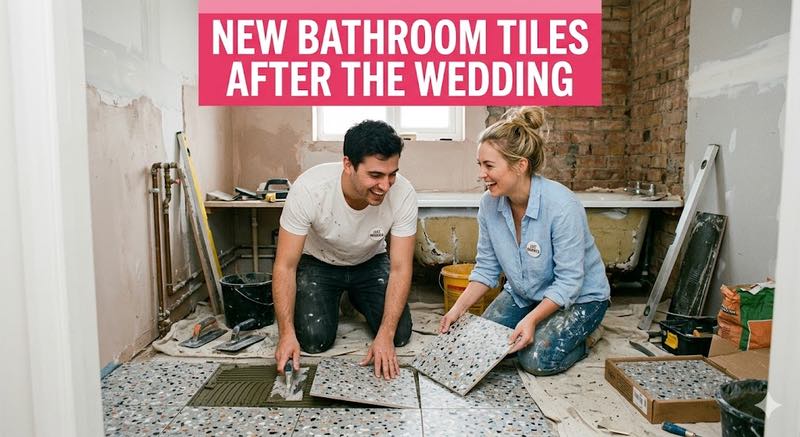


When Your DIY Wedding Skills Meet Real Life: What I Learned Planning a Post-Divorce Celebration
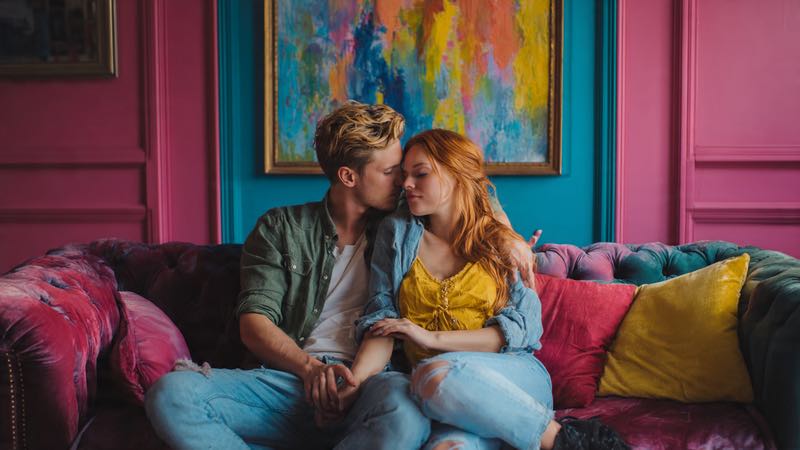
From ‘I Do’ to Interior Design: Creating Romantic and Functional Spaces for Newlyweds
The excitement of newlywed life often begins with envisioning a shared space that reflects both partners’ personalities, values, and dreams. Beyond the wedding day itself, setting up a home together is one of the most tangible ways couples start building a life as partners.

The key is finding a balance between romance and practicality—spaces that are both inviting and functional can support daily routines while nurturing connection.
Designing With Intention
When couples move into their first home together, it’s easy to get carried away with trends, colors, and décor. However, creating spaces that truly work for both partners requires intentionality. Start by thinking about lifestyle: how do you spend your mornings, evenings, and weekends? Which areas will see the most use, and what activities are central to your daily life?

For example, a well-planned kitchen can become both a hub of efficiency and a romantic space for shared meals. Functional appliances, thoughtful lighting, and elegant finishes set the tone, while small touches like copper accents or a cozy breakfast nook create warmth. By designing with both purpose and aesthetics in mind, newlyweds can ensure their home is enjoyable every day.
Watch this reel for some useful tips:
Choosing Multi-Functional Furniture
Space is often limited in first homes, making multi-functional furniture a must. Pieces that serve more than one purpose help maximize both square footage and utility. For instance, a dining table can double as a workspace for shared projects or a buffet during gatherings. Ottomans with storage, extendable tables, and convertible seating provide flexibility without sacrificing style.
High-quality furniture not only improves functionality but also conveys a sense of permanence. Companies like CopperSmith for example, offer beautifully crafted copper tables and home pieces that combine durability with elegance, allowing couples to invest in pieces that last well beyond their first home together. These items can become focal points, blending practicality with romantic charm.
Creating Cozy, Intimate Corners
Romance thrives in spaces that encourage connection. While open layouts are popular, incorporating cozy corners and defined areas fosters intimacy. A window seat with soft cushions, a reading nook with layered lighting, or a corner of the living room dedicated to conversation can all make a home feel more personal and inviting. Check out these ideas on Pinterest for some inspiration.
Textures, fabrics, and lighting play a big role here. Soft throws, warm tones, and subtle ambient lighting enhance mood and comfort. Even small design choices, such as the placement of plants or the addition of a vintage lamp, can make shared spaces feel uniquely yours.
Balancing Practicality in Shared Spaces
Functionality in shared spaces goes beyond aesthetics—it’s about flow, storage, and organization. Newlyweds often juggle work, chores, and social life, so their home must support these routines efficiently. Consider how items are stored, where furniture is placed, and which zones are designated for particular activities.
Kitchens and bathrooms often require careful planning. Cabinets, drawers, and countertop space should accommodate both partners’ needs, and layouts should minimize clutter. Investing in versatile, high-quality materials ensures the home can handle daily use while remaining visually appealing. Bespoke furniture not only elevates the space but also withstands the test of time, merging beauty with practicality.
Incorporating Personal Style
A newlywed home should reflect the personalities of both partners, blending styles harmoniously. One way to achieve this is through color palettes that balance complementary tones or through décor elements that reflect shared interests. Whether it’s artwork, heirlooms, or travel souvenirs, personal touches make a house feel like home.
Watch this video for some tips:
Couples may find joy in selecting signature pieces together, such as a handcrafted dining table, a statement light fixture, or unique copperware. These choices serve both functional purposes and as enduring reminders of milestones, from wedding planning to first shared meals.
Flexible Spaces for Future Growth
While the first home is about setting roots, it’s also wise to plan for the future. Flexible spaces allow couples to adapt as life changes—whether adding a nursery, a home office, or accommodating guests. Modular furniture, movable partitions, and adjustable shelving systems help homes evolve without constant renovation.
Thinking long-term in design also means investing in quality materials and finishes. Durable surfaces, easy-to-maintain flooring, and timeless furniture choices prevent the need for frequent replacement, freeing energy and resources for experiences rather than constant upkeep.
Making Daily Rituals Meaningful
Daily routines become more enjoyable when functional spaces support them. Shared meals, morning coffee, or quiet evenings in a thoughtfully designed living room can strengthen a couple’s bond. Even small gestures, like setting a candle-lit table or creating a dedicated space for reading together, add a sense of ceremony to everyday life.
Designing with these rituals in mind helps ensure the home nurtures connection rather than merely serving as a backdrop. Couples who consider the emotional impact of space often find greater satisfaction and comfort in their living environment.
Prioritizing Comfort and Sustainability
Comfort is key in a home meant for two. Ergonomic furniture, proper lighting, and temperature control all contribute to physical and emotional well-being. Sustainability also plays a growing role in modern home design. Materials that are responsibly sourced, durable, and low-maintenance align with values of longevity and care—both for the environment and the home itself.
For example, investing in handcrafted copper furniture from brands likeCopperSmith not only elevates your home’s aesthetic but also ensures durability, reducing the need for replacements over time. This combination of beauty, function, and ethics supports a home that couples can be proud of for years to come.
Harmonizing Technology With Design
Technology can enhance daily life, but it should integrate seamlessly with design. Smart lighting, climate control, and kitchen appliances make life easier without compromising style. Concealing cords, selecting devices that match the décor, and thoughtful placement of tech can preserve the home’s romantic and elegant feel.
Couples who intentionally merge technology and aesthetics create spaces that are modern, functional, and visually pleasing—allowing both partners to enjoy convenience without sacrificing atmosphere.
Watch this video for some awesome ideas:
Celebrating Milestones Through Space
Finally, a home should reflect a couple’s journey. Celebrating milestones doesn’t have to be limited to the wedding day; design choices can honor shared experiences. Whether it’s a custom dining table for anniversary dinners, a gallery wall of trips and memories, or a cozy reading nook for lazy Sunday mornings, these touches make the home a living testament to the relationship.
By thoughtfully designing spaces with both romance and practicality in mind, newlyweds can create an environment that nurtures their partnership, supports daily routines, and grows with them over time.

- About the Author
- Latest Posts

Daria Kapitonova is a wedding photographer and co-founder of a husband-and-wife photography studio alongside her partner Mike. Together they specialise in documentary-style wedding coverage with a strong emphasis on candid moments and emotional storytelling — the parents’ expressions during the ceremony, the unscripted exchanges between the couple, the details that only exist for a single day. Their approach treats every wedding as a distinct visual story rather than a formula, adapting their coverage to the specific people, venue, and atmosphere of each celebration. Daria’s writing for Bespoke Bride draws on her hands-on experience photographing real weddings, offering couples practical insight into what makes wedding photography genuinely memorable.